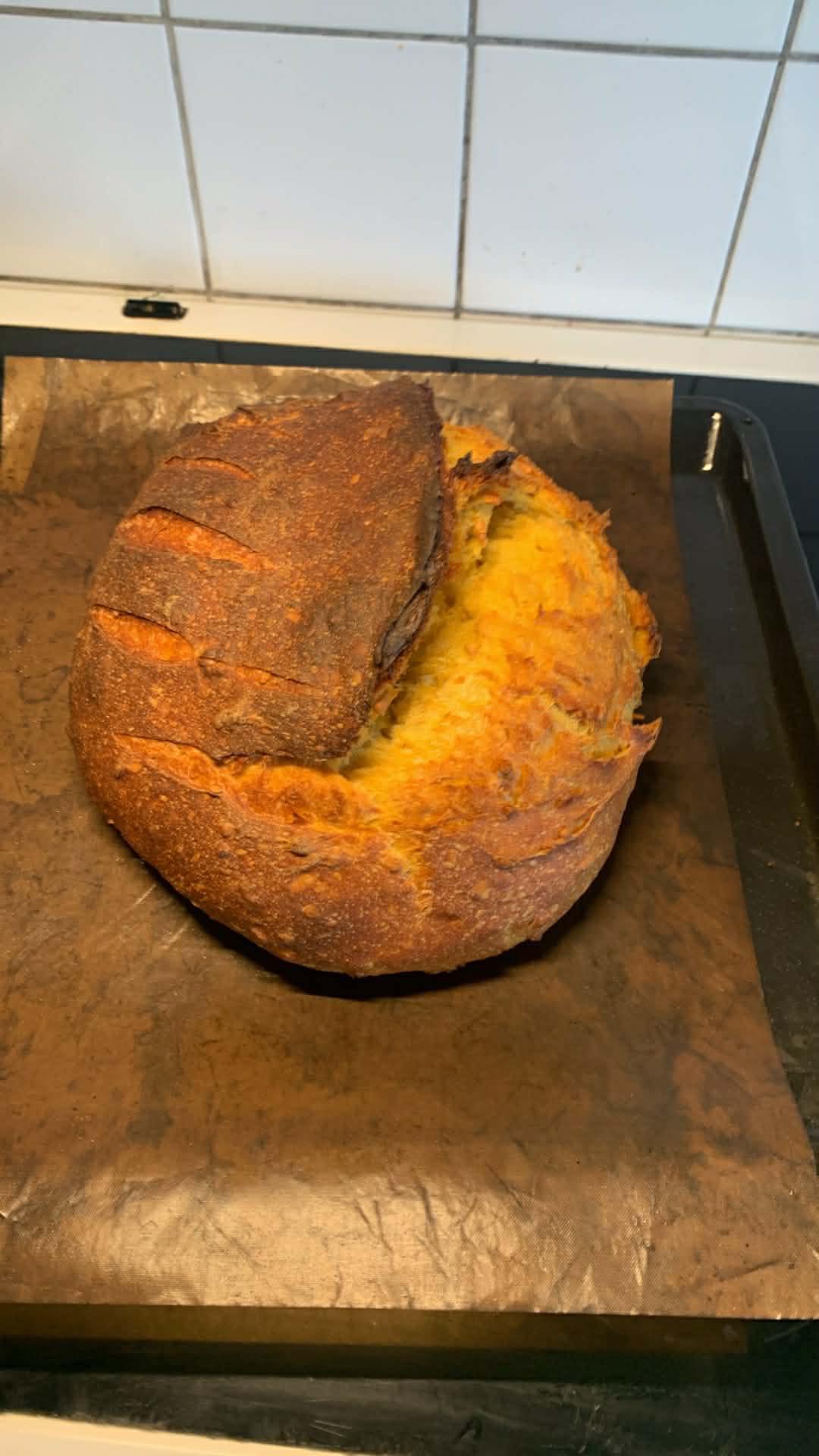
There is something magical about baking bread at home. The smell, the warmth, the comfort — it feels like love in every slice. And when I first made Sweet potato sourdough bread, I instantly knew it would become a regular in my kitchen.
This bread is soft, slightly sweet, and perfectly balanced with that classic sourdough tang. The mashed sweet potato makes it extra moist and gives it a beautiful golden color. It’s not just delicious — it’s also nourishing.
If you already bake sourdough, this recipe is a wonderful twist. And if you are new to sourdough baking, don’t worry. I will guide you step by step in simple and easy language.
Sweet potato sourdough bread is perfect for breakfast, sandwiches, or just warm with butter. Once you try it, you may never go back to plain bread again.
Why You Will Love This Recipe
Here’s why this Sweet potato sourdough bread is so special:
- 🍠 Soft and Moist Texture – Sweet potato keeps it tender.
- 🌾 Naturally Fermented – Easier to digest than regular bread.
- 🧡 Beautiful Golden Color – Looks as good as it tastes.
- 🥪 Versatile – Great for toast, sandwiches, or dinner rolls.
- 👩🍳 Beginner Friendly – Clear and simple steps.
It’s comfort food with a healthy touch.
Ingredients You’ll Need
All ingredients are simple and easy to find.
- 1 cup (200g) mashed sweet potato (cooked and cooled)
- ½ cup (120g) active sourdough starter
- 2 ½ cups (300g) bread flour
- ½ cup (120ml) warm water
- 1 teaspoon salt
- 1 tablespoon olive oil (optional)
Optional add-ins:
- 1 tablespoon honey (for extra sweetness)
- ¼ teaspoon cinnamon (for warm flavor)
Make sure your sourdough starter is active and bubbly before using.
Step-by-Step Instructions
Step 1: Prepare the Sweet Potato
Peel and boil one medium sweet potato until soft. Mash it well. Let it cool completely.
Tip: Make sure there are no large lumps.
Step 2: Mix the Dough
In a large bowl, add mashed sweet potato, active sourdough starter, warm water, and olive oil.
Mix gently.
Now add flour and salt. Stir until a rough dough forms.
It may feel slightly sticky. That’s normal.
Step 3: Knead the Dough
Transfer the dough to a lightly floured surface.
Knead for about 8–10 minutes until smooth and elastic.
If the dough sticks too much, sprinkle a little flour. But don’t add too much. Soft dough makes soft bread.
Step 4: First Rise (Bulk Fermentation)
Place the dough in a greased bowl. Cover with a clean towel.
Let it rise at room temperature for 4–6 hours, or until almost doubled in size.
Because this is sourdough, rising time may vary depending on temperature.
Step 5: Shape the Dough
Once risen, gently shape the dough into a round loaf.
Place it in a lined bowl or banneton for the second rise.
Cover and let it rest for another 1–2 hours.
For deeper flavor, you can refrigerate overnight.
Step 6: Bake the Bread
Preheat oven to 450°F (230°C).
If using a Dutch oven, heat it inside the oven for 20 minutes before baking.
Place the dough carefully into the hot Dutch oven. Score the top with a sharp knife.
Bake covered for 20 minutes.
Then remove the lid and bake another 15–20 minutes until golden brown.
Let the bread cool completely before slicing.
This step is important. Cutting too early can make it gummy.
Pro Tips & Variations
Here are some helpful tips for perfect Sweet potato sourdough bread:
✔️ Use Active Starter
Your starter should be bubbly and recently fed.
✔️ Don’t Rush the Rise
Sourdough takes time. Flavor develops slowly.
✔️ Add Seeds
Try adding sunflower or pumpkin seeds for crunch.
✔️ Make It Whole Wheat
Replace ½ cup of bread flour with whole wheat flour.
✔️ Avoid Over-Flouring
Too much flour makes bread dense.
Small changes can give you a new flavor each time.
Health Benefits of Sweet Potato Sourdough Bread
This bread is not just tasty. It’s also nutritious.
🍠 Rich in Vitamins
Sweet potatoes are high in vitamin A and antioxidants.
🌾 Better Digestion
Sourdough fermentation helps break down gluten.
💪 Long-Lasting Energy
Complex carbs keep you full longer.
🦠 Supports Gut Health
Natural fermentation is gentle on digestion.
If you’re trying to eat wholesome, homemade food, this sweet potato sourdough bread is a great choice.
It feels comforting but still supports a healthy lifestyle.
Serving Suggestions
There are so many ways to enjoy this bread:
- Toasted with butter and honey
- With avocado and eggs for breakfast
- As sandwich bread
- With soup or stew
- As garlic toast
I personally love it warm with a little salted butter. The slight sweetness with the sourdough flavor is just perfect.
It also makes amazing grilled cheese sandwiches.
Storage Tips
Room Temperature:
Store in a bread bag or wrapped in a clean towel for up to 3 days.
Refrigerator:
Not recommended, as it can dry out the bread.
Freezer:
Slice and freeze for up to 2 months.
Toast directly from frozen.
Tip: Always let the bread cool completely before storing.
Frequently Asked Questions (FAQs)
1. Does sweet potato sourdough bread taste very sweet?
No. It has a mild natural sweetness, not overpowering.
2. Can I use canned sweet potato?
Yes, but make sure it’s plain and not sweetened.
3. Why is my bread dense?
This can happen if the starter was not active or if too much flour was added.
4. Can I make this without a Dutch oven?
Yes. Use a baking tray and place a pan of hot water in the oven for steam.
5. How do I know when the bread is done?
Tap the bottom. It should sound hollow.
Conclusion
If you love baking and want to try something new, Sweet potato sourdough bread is a must. It’s soft, flavorful, and naturally beautiful with its golden color.
This recipe brings together the rich taste of sweet potatoes and the tangy goodness of sourdough. It’s comforting, wholesome, and perfect for everyday meals.
I truly enjoy baking this sweet potato sourdough bread for my family. It fills the kitchen with warmth and makes any meal feel special.
Give it a try. Once you slice into that soft loaf, you’ll understand why it’s so loved.
Happy baking! 🍞🍠

Leave a Reply