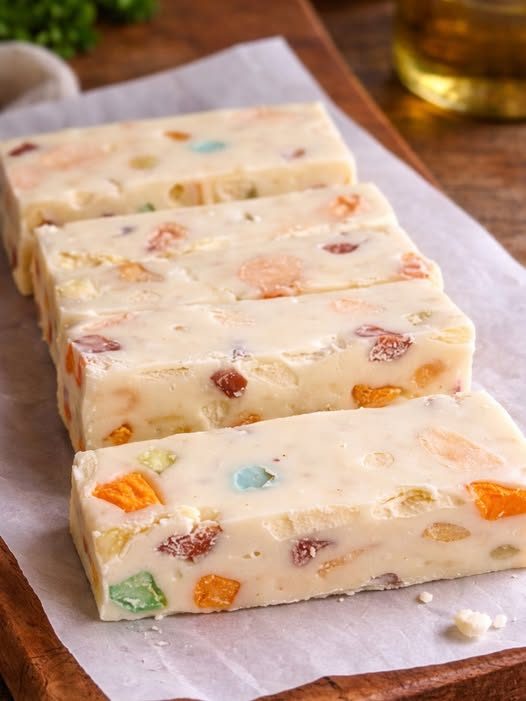
Nougat is a timeless confection known for its soft, chewy texture and rich combination of nuts, honey, and sugar. This delightful treat has been enjoyed around the world for centuries and is especially popular during festive seasons. Making nougat at home may seem a bit challenging at first, but with the right technique and patience, you can create a delicious batch that rivals any store-bought version.
This recipe walks you through the process step by step, helping you achieve that perfect balance of sweetness, chewiness, and crunch. Whether you’re preparing it for a special occasion, gifting it to loved ones, or simply treating yourself, homemade nougat is always worth the effort.
Why You’ll Love This Nougat Recipe
There are many reasons to try making nougat at home. Not only does it taste fresher and better than packaged versions, but it also allows you to customize flavors and ingredients according to your preference.
Here’s what makes this recipe special:
- Rich flavor from honey and roasted nuts
- Soft, chewy texture with a slight crunch
- Customizable with different nuts and dried fruits
- Perfect for gifting or festive celebrations
- Made with simple pantry ingredients
While the process requires attention, the end result is incredibly rewarding.
Ingredients Overview
This nougat recipe uses a combination of sugar syrup and whipped egg whites to create its signature texture.
Main Ingredients
- Granulated sugar – Provides sweetness and structure
- Honey – Adds depth of flavor and helps create chewiness
- Water – Helps dissolve and cook the sugar evenly
- Egg whites – Create the airy, fluffy base
- Salt – Enhances the overall flavor
- Vanilla extract – Adds warmth and aroma
Mix-ins
- Roasted nuts (almonds, pistachios, or hazelnuts) for crunch
- Dried fruits like cranberries, cherries, or apricots for a sweet-tart contrast
Optional Additions
- Edible rice paper for lining
- Cornstarch or powdered sugar for dusting
Equipment You’ll Need
Before starting, make sure you have the right tools ready:
- Candy thermometer
- Stand mixer or hand mixer
- Heavy-bottomed saucepan
- Wooden spoon or heatproof spatula
- Baking pan (8×8 inch works well)
- Parchment paper
Having everything prepared in advance makes the process much smoother.
Step-by-Step Instructions
Step 1: Prepare the Pan
Begin by lining your baking pan with parchment paper or edible rice paper. Lightly dust it with cornstarch or powdered sugar to prevent sticking. Set it aside so it’s ready when the nougat mixture is done.
Step 2: Make the Sugar Syrup
In a heavy-bottomed saucepan, combine the sugar, honey, and water. Place it over medium heat and stir gently until the sugar dissolves completely.
Once dissolved, increase the heat slightly and bring the mixture to a boil. Attach a candy thermometer and allow it to reach 140°C (284°F). Avoid stirring during this stage, as it can cause the sugar to crystallize.
Keep a close eye on the temperature, since sugar syrup can burn quickly if overheated.
Step 3: Whip the Egg Whites
While the syrup is heating, place the egg whites and salt in a mixing bowl. Beat them on medium speed until soft peaks form.
Once soft peaks appear, increase the speed to high and continue beating until stiff peaks form. The egg whites should look glossy and hold their shape firmly.
Step 4: Combine Syrup with Egg Whites
When the syrup reaches 140°C, reduce the mixer speed to low. Carefully pour the hot syrup into the whipped egg whites in a thin, steady stream.
Be very cautious during this step, as the syrup is extremely hot. Pouring slowly ensures the egg whites don’t collapse and helps create a smooth texture.
After adding all the syrup, increase the mixer speed to high.
Step 5: Cook to Final Stage
Continue beating the mixture for about 10–15 minutes. During this time, it will thicken, become glossy, and start pulling away from the sides of the bowl.
If you have any remaining syrup heated to 150°C (302°F), add it gradually as well. This helps stabilize the nougat and improves its final texture.
The goal is to achieve a thick, elastic mixture that is slightly sticky but holds its shape.
Step 6: Add Flavor and Mix-ins
Reduce the mixer speed to low and add the vanilla extract, roasted nuts, and dried fruits. Mix until everything is evenly distributed throughout the nougat.
This step allows you to customize your nougat with your favorite flavors and textures.
Step 7: Transfer and Shape
Quickly transfer the nougat mixture into your prepared pan. Use a spatula to spread it evenly, working fast before it begins to set.
If using edible rice paper, place a sheet on top and gently press it down. Lightly dust the surface with powdered sugar or cornstarch to prevent sticking.
Step 8: Cool and Set
Allow the nougat to cool at room temperature for at least 4–6 hours, or preferably overnight. This resting time is essential for the nougat to firm up properly.
Once set, remove it from the pan and cut into small squares or rectangles using a sharp knife.
Tips for Perfect Nougat
Making nougat requires precision, so keep these tips in mind:
- Avoid making nougat on humid days, as moisture can affect texture
- Use fresh egg whites for better stability
- Work quickly once the mixture is ready
- Lightly grease your tools to prevent sticking
- Always monitor syrup temperature carefully
Flavor Variations
You can easily customize your nougat with different flavors:
- Chocolate Nougat: Add melted dark chocolate before mixing in nuts
- Citrus Nougat: Add orange or lemon zest for a fresh twist
- Spiced Nougat: Mix in cinnamon or cardamom for warmth
- Nut-Free Version: Replace nuts with seeds like pumpkin or sunflower
Storage Instructions
Proper storage helps maintain the texture and flavor of your nougat:
- Store in an airtight container at room temperature
- Separate layers with parchment paper
- Keep for up to 2 weeks
- Avoid refrigeration, as it can make the nougat too hard or sticky
Nutritional Overview
Each piece of nougat contains approximately:
- Calories: 120–150 kcal
- Carbohydrates: 18g
- Sugars: 15g
- Protein: 2g
- Fat: 5g
While it is a sweet treat, enjoying it in moderation makes it a delightful addition to your dessert collection.
Final Thoughts
Homemade nougat is a beautiful combination of tradition, technique, and flavor. Though it requires a bit of effort and attention, the result is a soft, chewy, and nutty confection that’s truly special.
Once you master the process, you can experiment with endless variations and create your own signature version. Whether for celebrations, gifts, or personal indulgence, this nougat recipe is sure to impress.
Give it a try and enjoy the satisfaction of making your own classic confection at home!

Leave a Reply