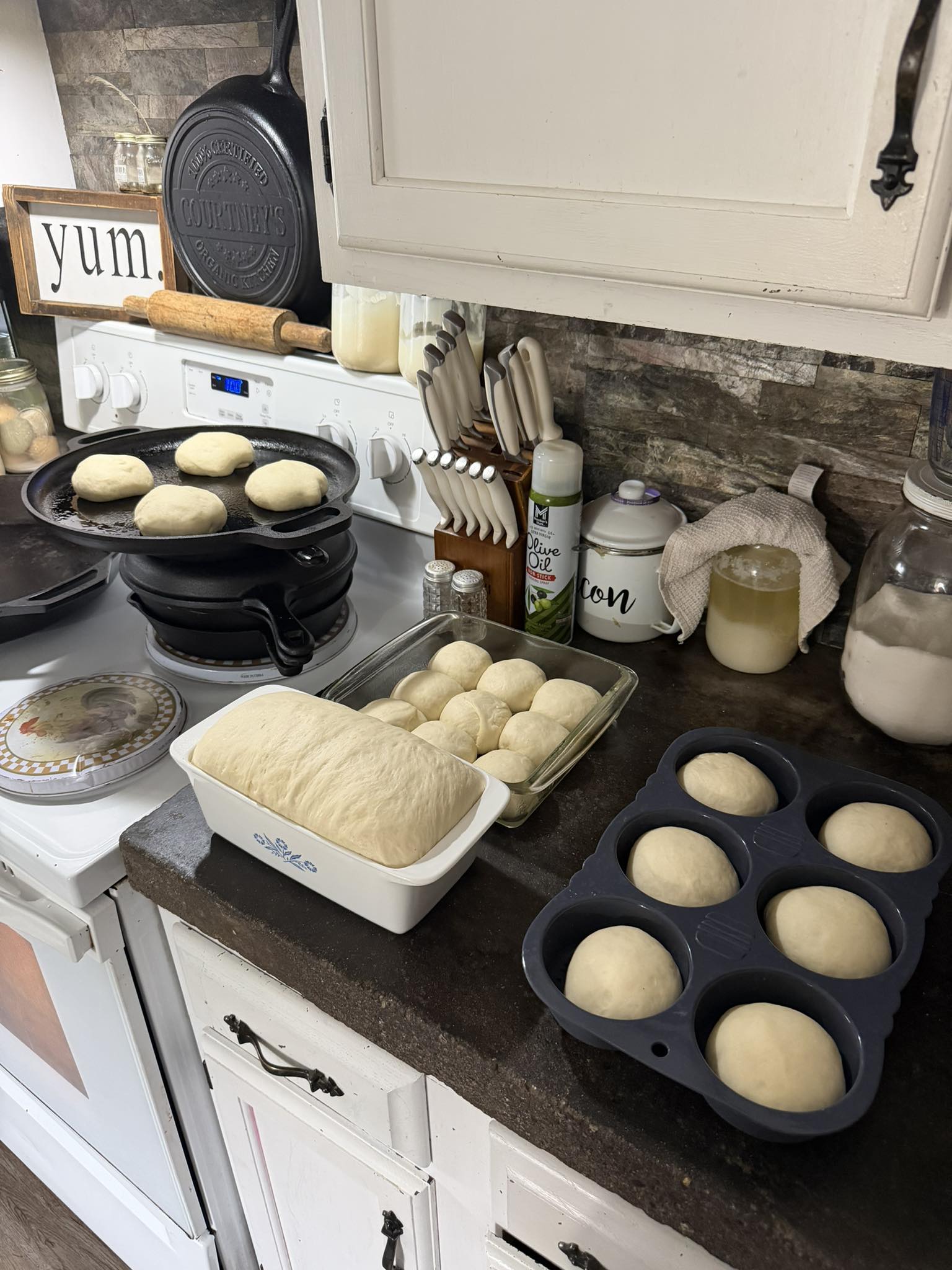
There is something truly comforting about the smell of fresh bread baking in the kitchen. Homemade buns, rolls & sandwich bread bring warmth to any home and make simple meals feel extra special. Whether you are making burgers, breakfast sandwiches, or dinner rolls, freshly baked bread always tastes better than store-bought.
The first time I made my own buns, rolls & sandwich bread, I was a little nervous. I thought baking bread would be difficult. But once I tried it, I realized it was much easier than I expected. The soft texture, golden crust, and warm aroma made it completely worth the effort.
Another great thing about making your own bread is that you know exactly what goes into it. Homemade bread usually contains fewer preservatives and can be healthier than packaged bread. Plus, you can control the ingredients and adjust them to your taste.
This recipe will show you how to make soft and fluffy buns, rolls & sandwich bread using simple ingredients and easy steps. Even beginners can make this recipe successfully.
Why You Will Love This Recipe
Here are a few reasons why this homemade bread recipe is worth trying:
1. Soft and Fluffy Texture
These buns, rolls & sandwich bread turn out light, airy, and delicious every time.
2. Simple Ingredients
Most of the ingredients are basic pantry staples that are easy to find.
3. Perfect for Many Meals
You can use the same dough to make burger buns, dinner rolls, or sandwich bread.
4. Beginner-Friendly Recipe
You don’t need professional baking skills. Just follow the steps and enjoy the process.
5. Better Than Store-Bought
Homemade bread tastes fresher and contains fewer preservatives.
Ingredients List
To make soft and fluffy buns, rolls & sandwich bread, you will need the following ingredients:
- 4 cups all-purpose flour
- 2 ¼ teaspoons active dry yeast (1 packet)
- 2 tablespoons sugar
- 1 teaspoon salt
- 1 cup warm milk
- ¼ cup warm water
- 3 tablespoons butter, melted
- 1 egg
Optional Topping
- 1 egg (for egg wash)
- 1 tablespoon sesame seeds or poppy seeds
These ingredients are simple and create a soft, rich bread texture.
Step-by-Step Instructions
Step 1: Activate the Yeast
In a small bowl, mix:
- warm water
- sugar
- yeast
Stir gently and let it sit for about 5–10 minutes. The mixture should become foamy. This means the yeast is active and ready to use.
Step 2: Mix the Dough
In a large mixing bowl, combine:
- flour
- salt
Add the yeast mixture, warm milk, melted butter, and egg.
Mix everything together until a soft dough forms.
Step 3: Knead the Dough
Place the dough on a lightly floured surface.
Knead the dough for about 8–10 minutes until it becomes smooth and elastic.
If the dough feels sticky, sprinkle a little flour while kneading.
Kneading helps develop the structure that makes buns, rolls & sandwich bread soft and fluffy.
Step 4: First Rise
Place the dough in a lightly greased bowl.
Cover it with a clean towel or plastic wrap.
Let it rise in a warm place for about 1–1.5 hours, or until the dough doubles in size.
Step 5: Shape the Dough
Once the dough has risen, gently punch it down to release the air.
Now you can shape the dough depending on what you want to make:
- Burger buns: divide into equal balls and flatten slightly
- Dinner rolls: shape into small round balls
- Sandwich bread: place the dough into a greased loaf pan
This is the fun part where you turn the dough into different types of buns, rolls & sandwich bread.
Step 6: Second Rise
Place the shaped dough on a baking tray or loaf pan.
Cover again and let it rise for 30–40 minutes.
This step helps the bread become soft and airy.
Step 7: Add Egg Wash (Optional)
Beat one egg and gently brush it over the tops of the buns or rolls.
Sprinkle sesame seeds or poppy seeds if desired.
This gives the bread a beautiful golden finish.
Step 8: Bake the Bread
Preheat your oven to 375°F (190°C).
Bake:
- Buns or rolls: 15–18 minutes
- Sandwich bread loaf: 25–30 minutes
The bread should turn golden brown and sound slightly hollow when tapped.
Step 9: Cool Before Serving
Remove the bread from the oven and let it cool on a wire rack.
Your homemade buns, rolls & sandwich bread are now ready to enjoy!
Pro Tips & Variations
Here are some helpful tips to make your bread even better.
Use Warm Liquids
Milk and water should be warm but not hot. If they are too hot, they can kill the yeast.
Knead Properly
Good kneading helps create soft bread with the perfect texture.
Whole Wheat Option
You can replace 1 cup of all-purpose flour with whole wheat flour for a healthier version.
Add Extra Flavor
Try mixing in:
- garlic powder
- herbs like rosemary or oregano
- shredded cheese
These additions can give your buns, rolls & sandwich bread extra flavor.
Avoid These Common Mistakes
- Using water that is too hot for yeast
- Not letting the dough rise long enough
- Adding too much flour while kneading
Small mistakes can affect the texture, so patience is key.
Health Benefits
Homemade buns, rolls & sandwich bread can be a healthier choice compared to store-bought bread.
Fewer Preservatives
Store bread often contains preservatives to extend shelf life. Homemade bread usually does not.
Fresh Ingredients
You control the quality of ingredients used in your bread.
Can Be Made Healthier
You can easily add healthier ingredients like:
- whole wheat flour
- seeds
- oats
Better Portion Control
Homemade bread allows you to control portion sizes and ingredients.
Bread can be part of a balanced diet when enjoyed in moderation.
Serving Suggestions
Freshly baked buns, rolls & sandwich bread can be used in many delicious ways.
Here are some serving ideas:
Breakfast
- Toasted bread with butter and jam
- Egg breakfast sandwiches
Lunch
- Classic sandwiches with chicken or vegetables
- Grilled cheese sandwiches
Dinner
- Soft dinner rolls with soup or stew
- Burger buns for homemade burgers
Fresh bread also pairs perfectly with soups, salads, and pasta dishes.
Storage Tips
Room Temperature
Store buns, rolls & sandwich bread in an airtight container or bread box.
They will stay fresh for 2–3 days.
Refrigerator Storage
You can store bread in the fridge for up to 5 days, but it may become slightly firmer.
Freezer Storage
Bread freezes very well.
- Allow the bread to cool completely
- Wrap it tightly in plastic wrap
- Place it in a freezer bag
It can stay fresh in the freezer for up to 2 months.
Simply thaw at room temperature before using.
Frequently Asked Questions (FAQs)
1. Why didn’t my bread rise?
The yeast may be inactive, or the liquid may have been too hot. Always check that your yeast becomes foamy when activated.
2. Can I make this dough without eggs?
Yes, you can skip the egg. The bread will still turn out soft but slightly less rich.
3. How do I know when the bread is fully baked?
The bread should be golden brown and sound hollow when tapped on the bottom.
4. Can I use instant yeast instead of active dry yeast?
Yes. If using instant yeast, you can mix it directly with the flour without activating it first.
5. Can I make the dough ahead of time?
Yes. You can prepare the dough and refrigerate it overnight before shaping and baking.
Conclusion
Making homemade buns, rolls & sandwich bread is easier than many people think. With simple ingredients and a little patience, you can create soft, fluffy bread that tastes amazing.
The best part is that this versatile dough can be used in many ways—from dinner rolls to sandwich loaves and burger buns.
Once you try baking your own buns, rolls & sandwich bread, you may never want to go back to store-bought bread again.
So gather your ingredients, enjoy the baking process, and treat yourself and your family to the wonderful taste of fresh homemade bread. 🍞

Leave a Reply